Real-world training data collection for Physical AI
In-field operators, teleoperation facilities, and configurable lab environments. Encord collects the embodied, egocentric, and sensor data your robotics and physical AI models actually need.



Data is a commodity. Training-ready data isn't.
There's a critical difference between commodity datasets and collecting the right data. Encord's collection protocols are built backwards from your training pipeline - so every episode is classified, synchronised, and aligned to your model.
What Physical AI data can Encord collect?
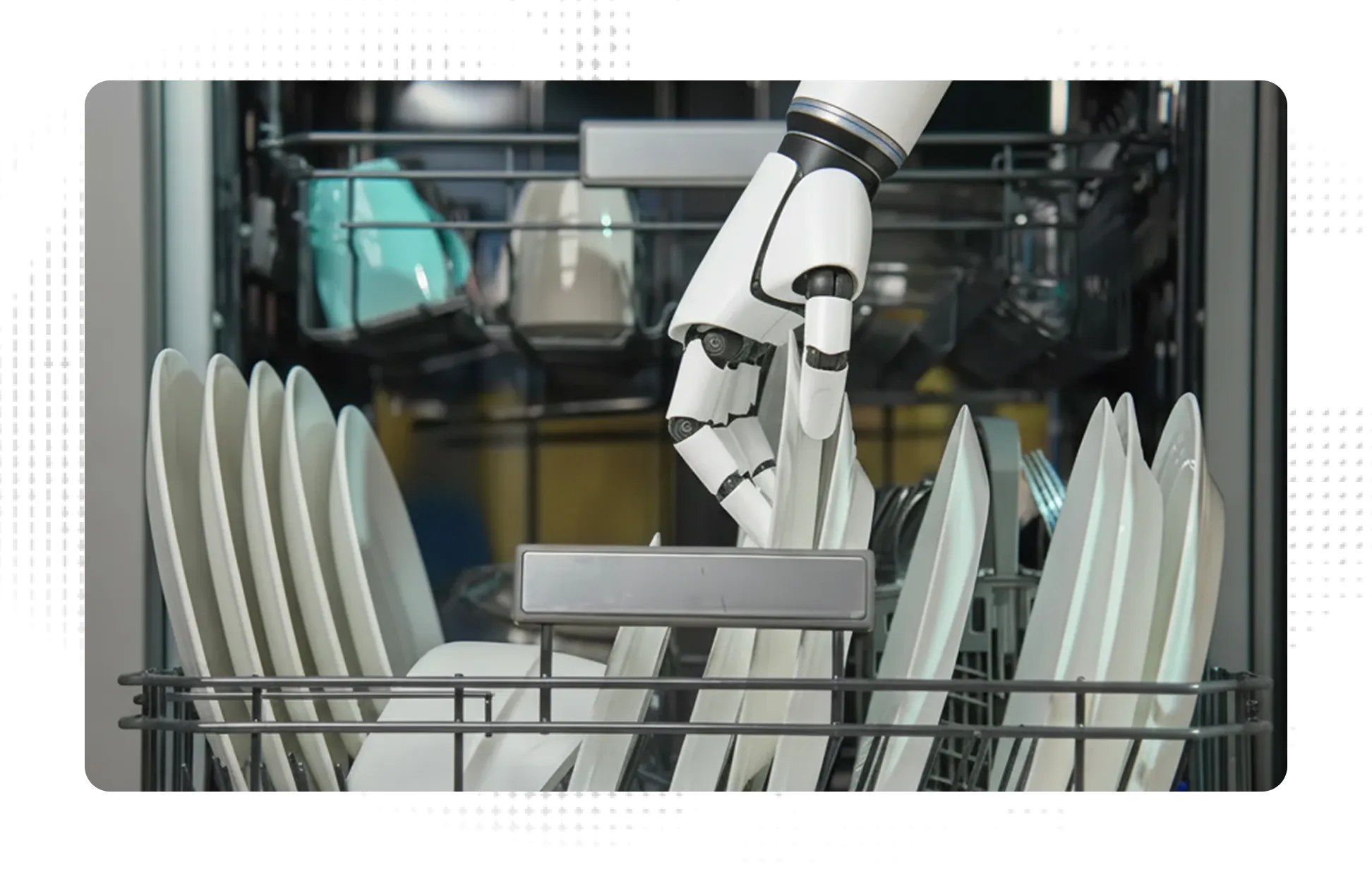
Embodiment-specific data
Operators run daily tasks with your robot, minimising the need for cross-embodiment skill transfer, and produce the highest-fidelity training signal for your deployment configuration.
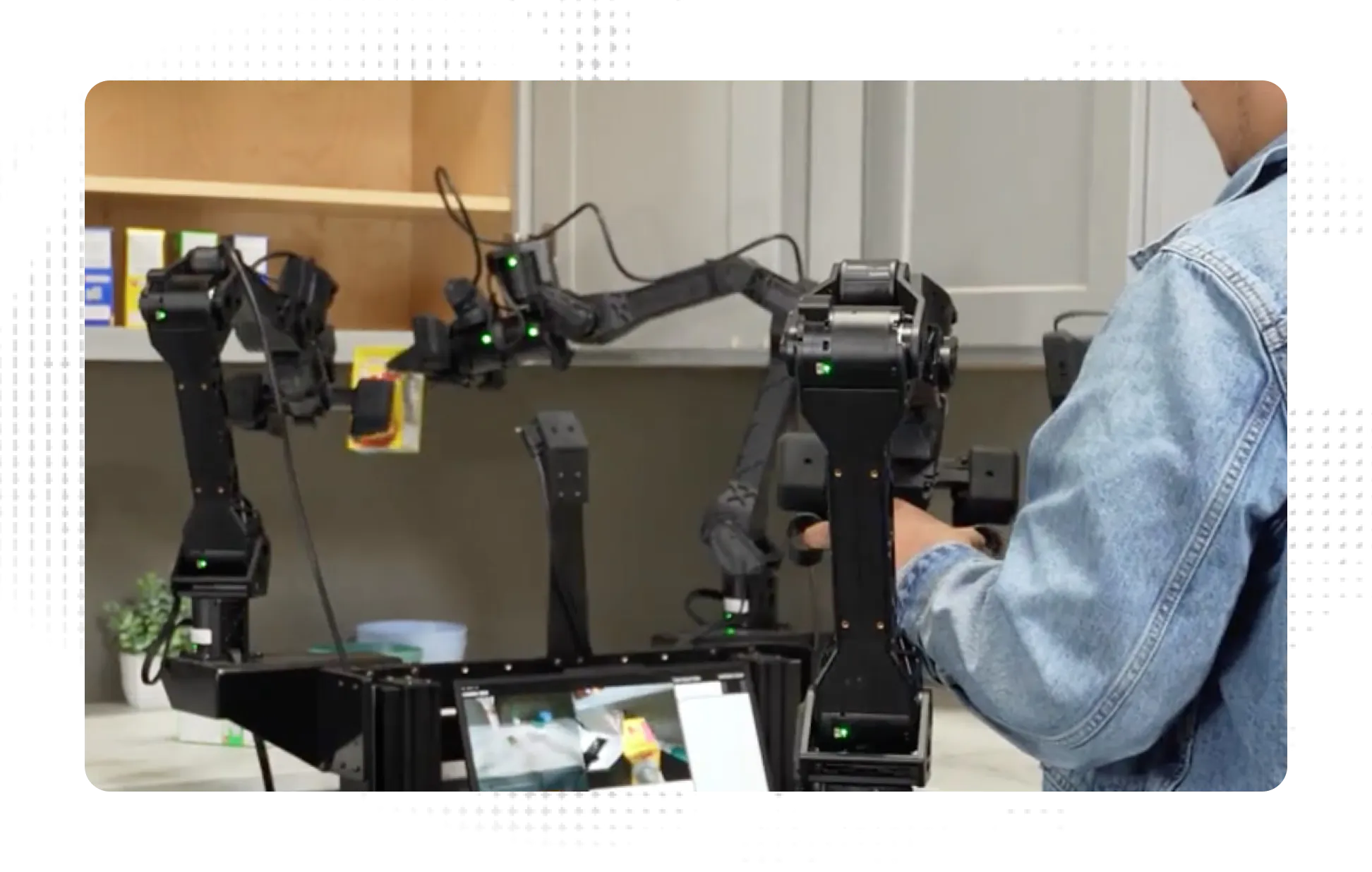
Teleoperation data
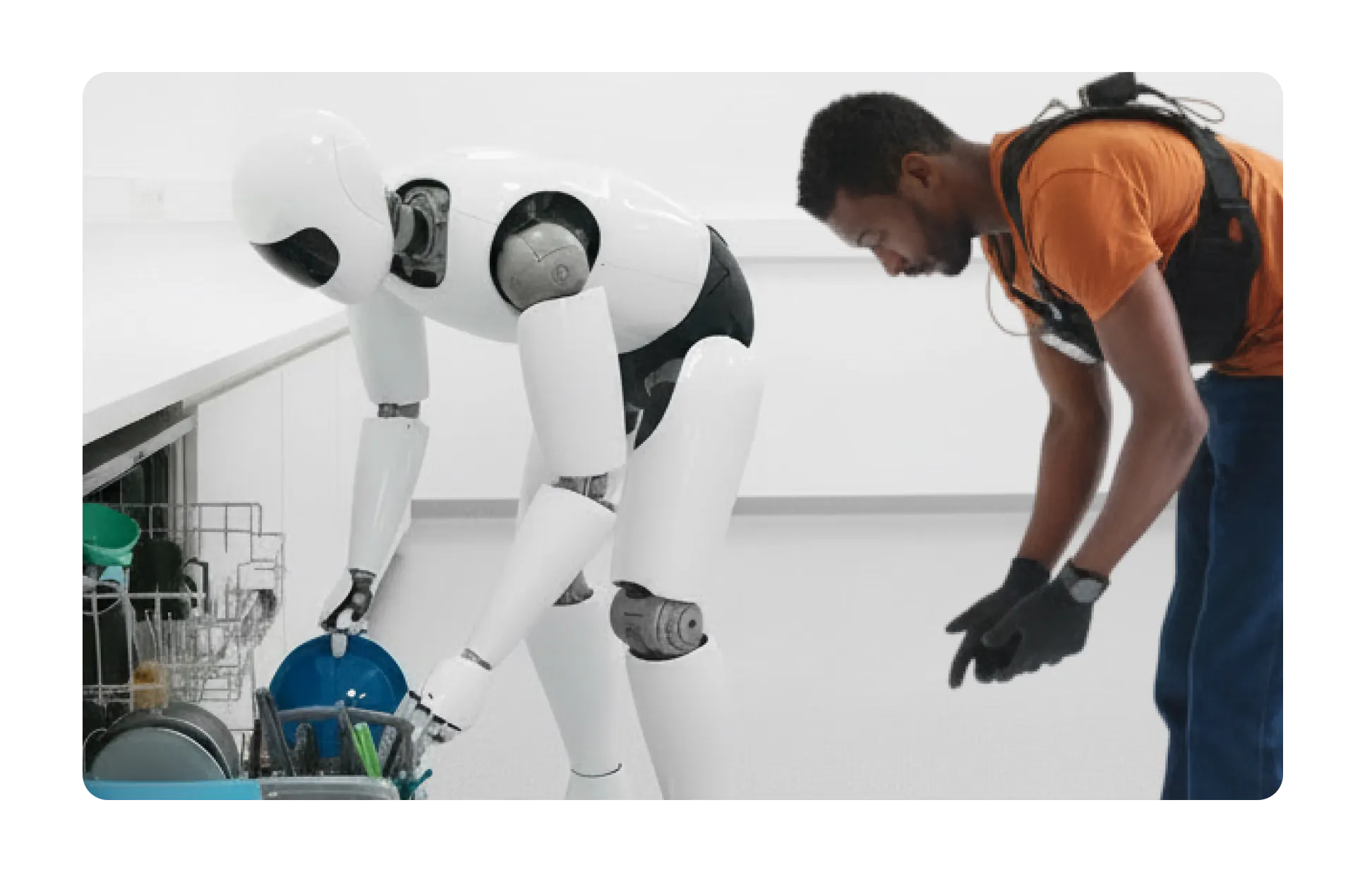
Leader/follower teleoperation machines operated by trained humans performing high-dexterity tasks. Ideal for manipulation, grasping, and fine motor skill training.
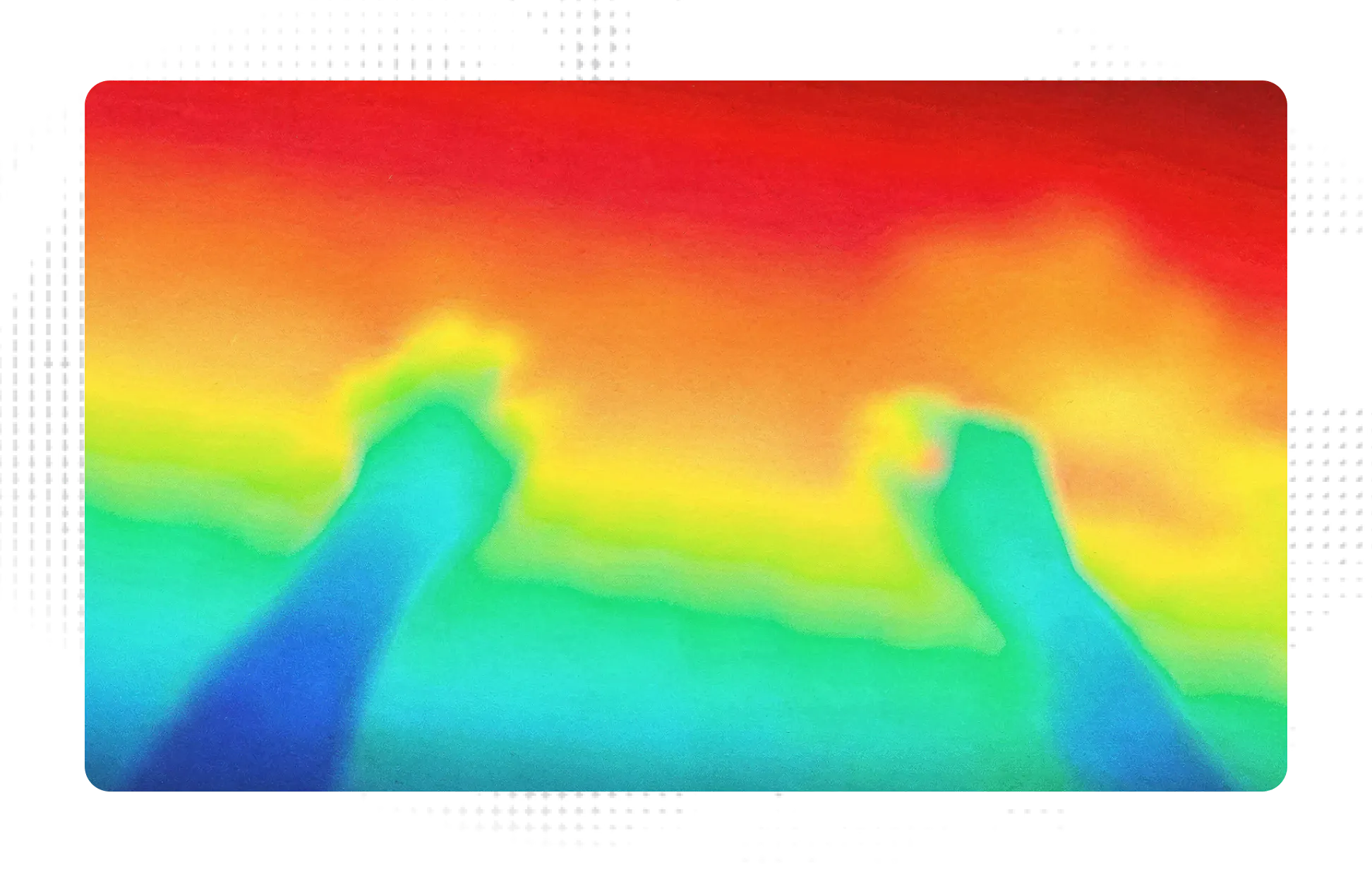
Egocentric data
First-person video and sensor data of humans performing tasks in household, industrial, and commercial environments. Collected using head and wrist cameras at 1080p/30FPS.
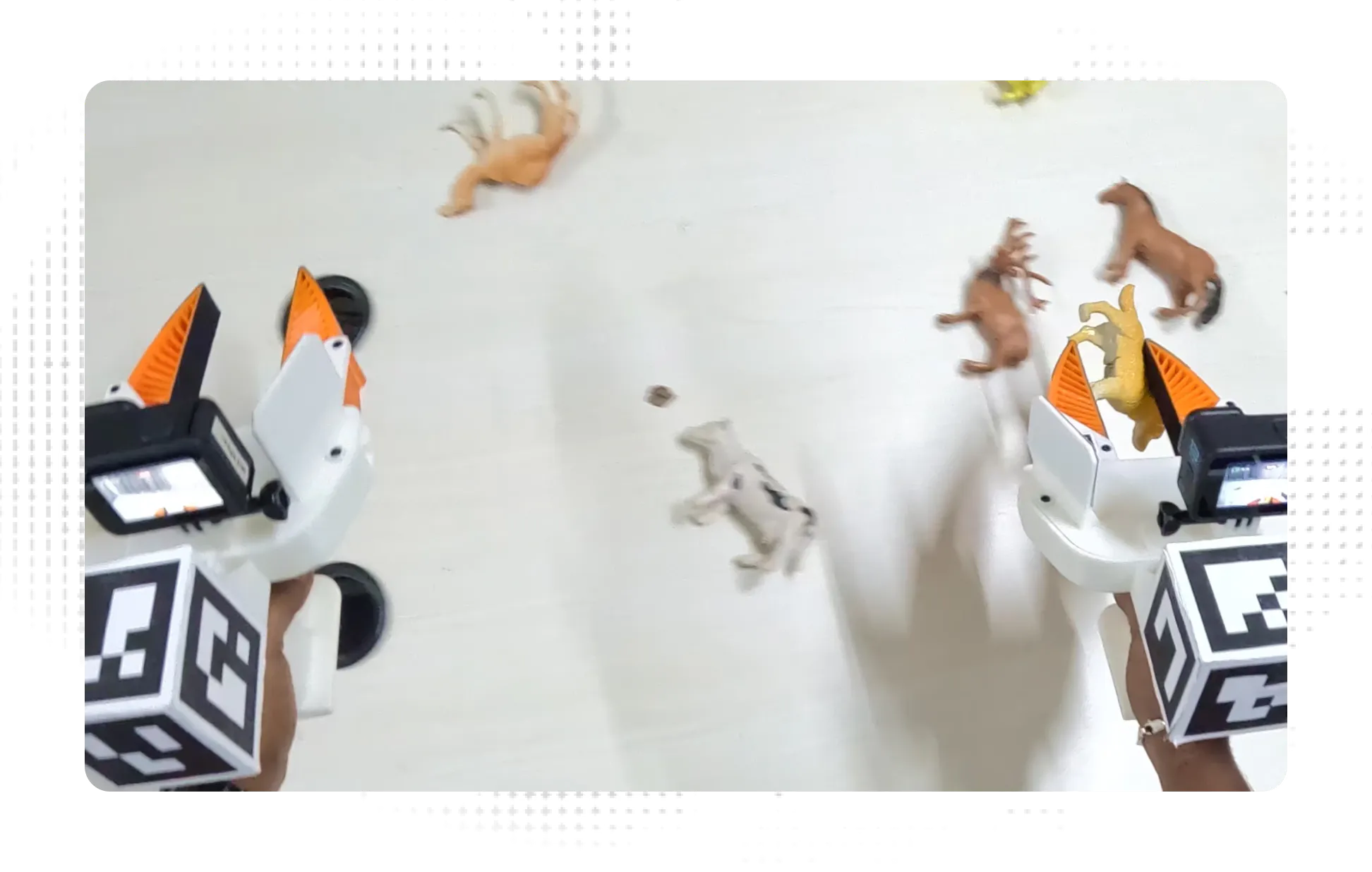
UMI data
Handheld gripper systems that capture robot-analogous manipulation data without requiring a full robot setup. We support standard UMI, multi-finger variants, and client-provided gripper hardware at scale.
Built around your training loop

Bespoke protocol design
We design the collection protocol with your team at our facilities - task definitions, hardware configuration, and quality criteria in a controlled environment - before operators go into the field.

In-field operator network
Encord has thousands of trained operators available across kitchens, warehouses, offices, vehicles, and industrial settings - fully scalable to your requirements.

Bay Area lab facilities
Dedicated facilities with configurable pods for kitchen, laundry and industrial environments - flexible LED lighting and a variety of teleoperation machines, including stationary and mobile leader/follower arms.

Standardized equipment
Cameras, grippers, mounts, and synchronization. Base kit includes RGB-D stereo depth cameras with IMU and multi-camera sync, paired with UMI grippers. Higher frame rates & multi-finger capture hardware available.

Zero ingestion overhead
Collected data flows directly into Encord's platform - ready to filter, curate or route to human or model-assisted annotation. The ingestion work that delays most Physical AI teams weeks doesn’t exist here.

Close the deployment loop
Every model fails in the field eventually. We capture failure modes through remote teleoperation and feed them back into the data pipeline - updating collection and annotation policies to address them.
Design your collection protocol
Talk to our dedicated Physical AI team and see what your data collection pipeline could look like with Encord.
Book a callDesign your collection protocol
Talk to our dedicated Physical AI team and see what your data collection pipeline could look like with Encord.
Book a callFrequently asked questions
Four core types: embodiment-specific data, teleoperation data, egocentric data, and UMI handheld gripper data, including multi-finger variants and customer-provided hardware. Each type maps to a stage of model training, from broad pre-training to embodiment-specific fine-tuning.
Collection always starts at Encord facilities, not in the field. Tasks, hardware setup, and quality criteria are defined with your team, then piloted in a controlled lab environment before scaling. Iteration happens before operators deploy, so cost and time aren't spent recollecting data that doesn't match your training objective.
The collection is designed backwards from the training pipeline, with every episode classified, synchronised, and ready to use by default. Data flows directly into the Encord platform, ready to filter, curate, and route to annotation, cutting out the weeks of pre-processing that typically delay training.
Diversity is built into protocol design, environments, lighting, operators, embodiments, and task variations are specified upfront, not left to chance during collection. Encord operates across multiple geographies and embodiment configurations, with hardware vendor partnerships (including teleoperation arm and biometric sensor providers) to close specific gaps in your training set.
Yes! When a model fails in deployment, failure modes are captured through remote teleoperation and human review, then fed back into the data pipeline. Collection and annotation policies update automatically based on what's failing, so retraining data reflects where your model is breaking in the real world.

End-to-end
data collection
Build new training-ready datasets with Encord’s dedicated facilities.