Top 10 Multimodal Models

The current era is witnessing a significant revolution as artificial intelligence (AI) capabilities expand beyond straightforward predictions on tabular data. With greater computing power and state-of-the-art (SOTA) deep learning algorithms, AI is approaching a new era where large multimodal models dominate the AI landscape.
Reports suggest the multimodal AI market will grow by 35% annually to USD 4.5 billion by 2028 as the demand for analyzing extensive unstructured data increases. These models can comprehend multiple data modalities simultaneously and generate more accurate predictions than their traditional counterparts.
In this article, we will discuss what multimodal models are, how they work, the top models in 2024, current challenges, and future trends.
What are Multimodal Models?
Multimodal models are AI deep-learning models that simultaneously process different modalities, such as text, video, audio, and image, to generate outputs. Multimodal frameworks contain mechanisms to integrate multimodal data collected from multiple sources for more context-specific and comprehensive understanding.
In contrast, unimodal models use traditional machine learning (ML) algorithms to process a single data modality simultaneously. For instance, You Only Look Once (YOLO) is a popular object detection model that only understands visual data.
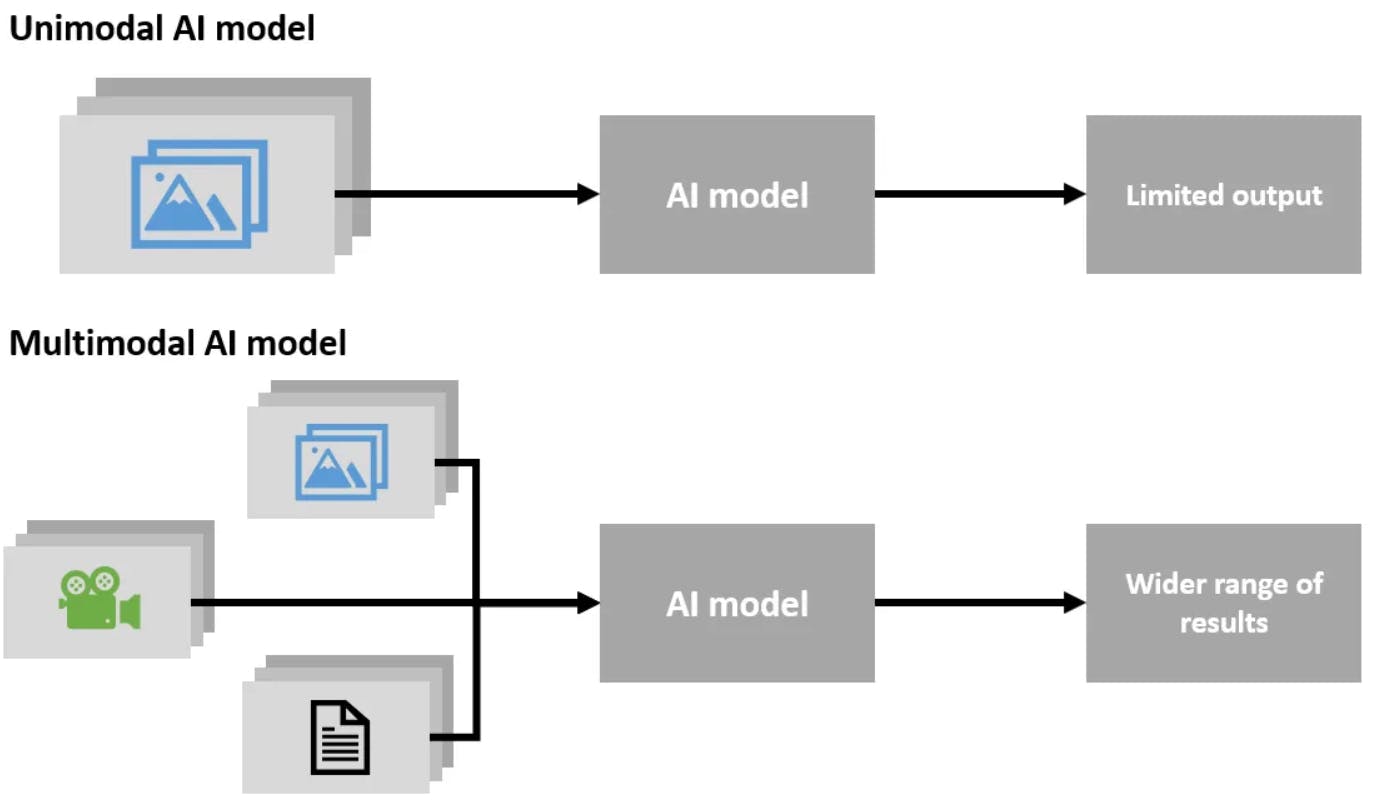
Unimodal vs. Multimodal Framework
While unimodal models are less complex than multimodal algorithms, multimodal systems offer greater accuracy and enhanced user experience. Due to these benefits, multimodal frameworks are helpful in multiple industrial domains.
For instance, manufacturers use autonomous mobile robots that process data from multiple sensors to localize objects. Moreover, healthcare professionals use multimodal models to diagnose diseases using medical images and patient history reports.
How Multimodal Models Work?
Although multimodal models have varied architectures, most frameworks have a few standard components. A typical architecture includes an encoder, a fusion mechanism, and a decoder.
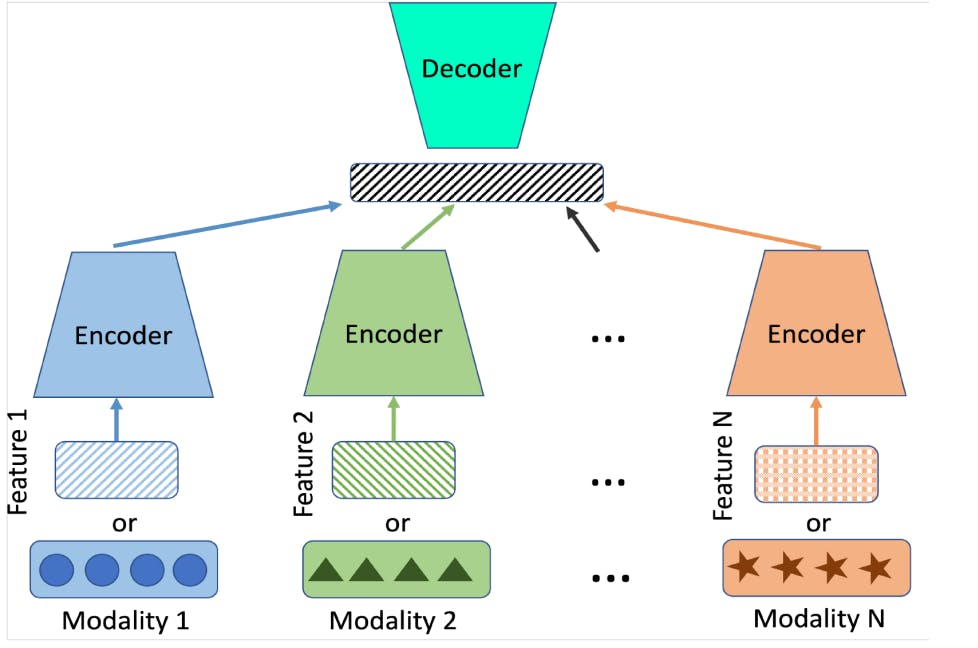
Encoders
Encoders transform raw multimodal data into machine-readable feature vectors or embeddings that models use as input to understand the data’s content.
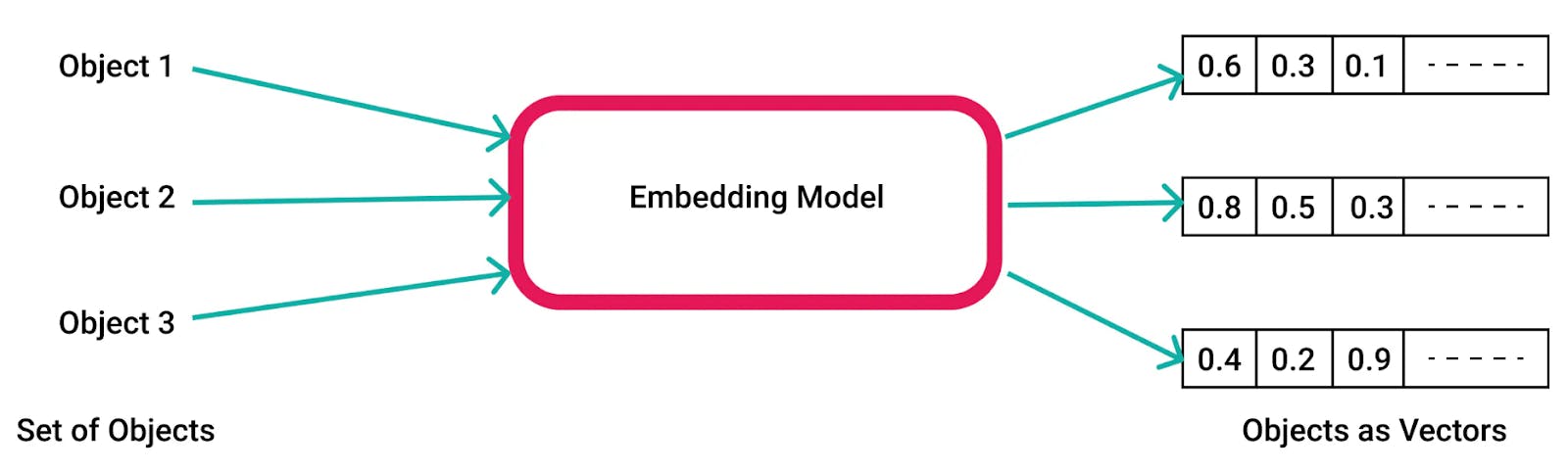
Multimodal models often have three types of encoders for each data type - image, text, and audio.
- Image Encoders: Convolutional neural networks (CNNs) are a popular choice for an image encoder. CNNs can convert image pixels into feature vectors to help the model understand critical image properties.
- Text Encoders: Text encoders transform text descriptions into embeddings that models can use for further processing. They often use transformer models like those in Generative Pre-Trained Transformer (GPT) frameworks.
- Audio Encoders: Audio encoders convert raw audio files into usable feature vectors that capture critical audio patterns, including rhythm, tone, and context. Wav2Vec2 is a popular choice for learning audio representations.
Fusion Mechanism Strategies
Once the encoders transform multiple modalities into embeddings, the next step is to combine them so the model can understand the broader context reflected in all data types. Developers can use various fusion strategies according to the use case.
The list below mentions key fusion strategies.
- Early Fusion: Combines all modalities before passing them to the model for processing.
- Intermediate Fusion: Projects each modality onto a latent space and fuses the latent representations for further processing.
- Late Fusion: Processes all modalities in their raw form and fuses the output for each.
- Hybrid Fusion: Combines early, intermediate, and late fusion strategies at different model processing phases.
Fusion Mechanism Methods
While the list above mentions the high-level fusion strategies, developers can use multiple methods within each strategy to fuse the relevant modalities.
Attention-based Methods
Attention-based methods use the transformer architecture to convert embeddings from multiple modalities into a query-key-value structure. The technique emerged from a seminal paper - Attention is All You Need - published in 2017.
Researchers initially employed the method for improving language models, as attention networks allowed these models to have longer context windows. However, developers now use attention-based methods in other domains, including computer vision (CV) and generative AI.
Attention networks allow models to understand relationships between embeddings for context-aware processing. Cross-modal attention frameworks fuse different modalities in a multimodal context according to the inter-relationships between each data type.
For instance, an attention filter will allow the model to understand which parts of a text prompt relate to an image’s visual embeddings, leading to a more efficient fusion output.
Concatenation
Concatenation is a straightforward fusion technique that merges multiple embeddings into a single feature representation.
For instance, the method will concatenate a textual embedding with a visual feature vector to generate a consolidated multimodal feature.
The method helps in intermediate fusion strategies by combining the latent representations for each modality.
Dot-Product
The dot-product method involves element-wise multiplication of feature vectors from different modalities. It helps capture the interactions and correlations between modalities, assisting models to understand the commonalities among different data types.
However, it only helps in cases where the feature vectors do not suffer from high dimensionality. Taking dot-products of high-dimensional vectors may require extensive computational power and result in features that only capture common patterns between modalities, disregarding critical nuances.
Decoders
The last component is a decoder network that processes the feature vectors from different modalities to produce the required output.
Decoders can contain cross-modal attention networks to focus on different parts of input data and produce relevant outputs. For instance, translation models often use cross-attention techniques to understand the meanings of sentences in different languages simultaneously.
Recurrent neural network (RNN), Convolutional Neural Networks (CNN), and Generative Adversarial Network (GAN) frameworks are popular choices for constructing decoders to perform tasks involving sequential, visual, or generative processes.
Multimodal Models - Use Cases
With recent advancements in multimodal models, AI systems can perform complex tasks involving the simultaneous integration and interpretation of multiple modalities.
The capabilities allow users to implement AI in large-scale environments with extensive and diverse data sources requiring robust processing pipelines.
The list below mentions a few of these tasks that multimodal models perform efficiently.
- Visual Question-Answering (VQA): VQA involves a model answering user queries regarding visual content. For instance, a healthcare professional may ask a multimodal model regarding the content of an X-ray scan. By combining visual and textual prompts, multimodal models provide relevant and accurate responses to help users perform VQA.
- Image-to-Text and Text-to-Image Search: Multimodal models help users build powerful search engines that can type natural language queries to search for particular images. They can also build systems that retrieve relevant documents in response to image-based queries. For instance, a user may give an image as input to prompt the system to search for relevant blogs and articles containing the image.
- Generative AI: Generative AI models help users with text and image generation tasks that require multimodal capabilities. For instance, multimodal models can help users with image captioning, where they ask the model to generate relevant labels for a particular image. They can also use these models for natural language processing (NLP) use cases that involve generating textual descriptions based on video, image, or audio data.
- Image Segmentation: Image segmentation involves dividing an image into regions to distinguish between different elements within an image.
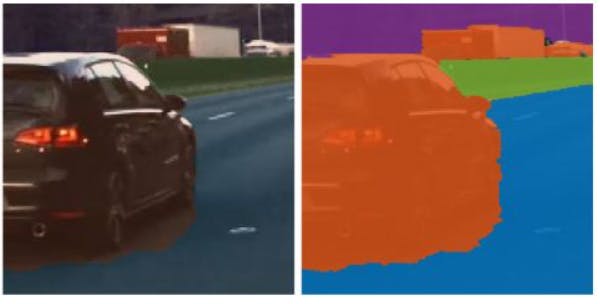
Multimodal models can help users perform segmentation more quickly by segmenting areas automatically based on textual prompts. For instance, users can ask the model to segment and label items in the image’s background.
Top Multimodal Models
Multimodal models are an active research area where experts build state-of-the-art frameworks to address complex issues using AI.
The following sections will briefly discuss the latest models to help you understand how multimodal AI is evolving to solve real-world problems in multiple domains
1. CLIP
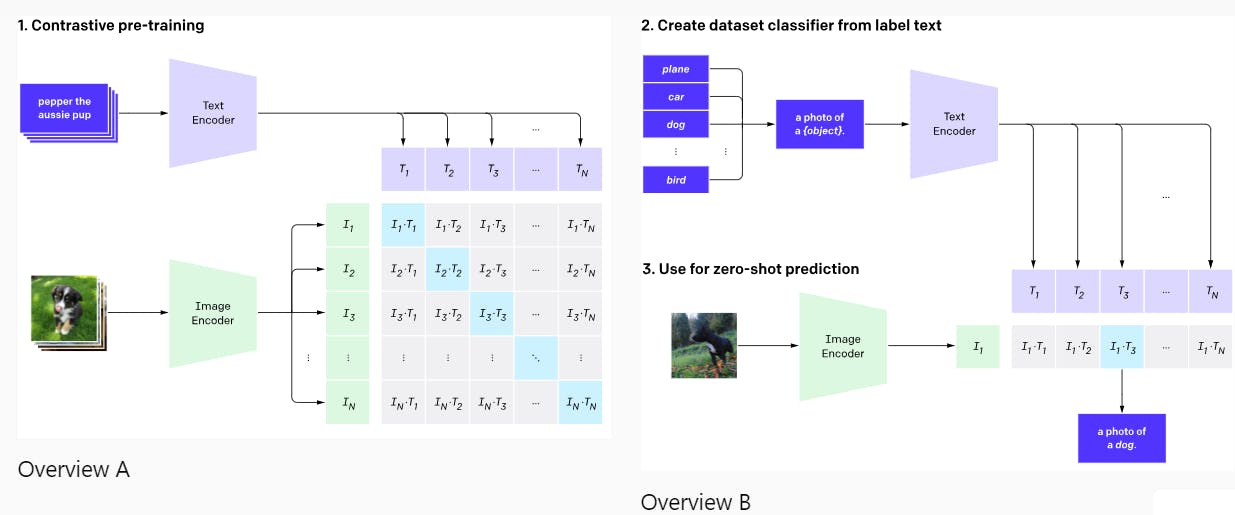
Contrastive Language-Image Pre-training (CLIP) is a multimodal vision-language model by OpenAI that performs image classification tasks. It pairs descriptions from textual datasets with corresponding images to generate relevant image labels.
Key Features
- Contrastive Framework: CLIP uses the contrastive loss function to optimize its learning objective. The approach minimizes a distance function by associating relevant text descriptions with related images to help the model understand which text best describes an image’s content.
- Widely Embedded: Used as a component inside many newer generative and retrieval systems, rather than deployed standalone.
- Zero-Shot Generalization: Can classify and caption new, unseen images without task-specific fine-tuning.
Use Case
Due to CLIP’s versatility, CLIP can help users perform multiple tasks, such as image annotation for creating training data, image retrieval for AI-based search systems, and generation of textual descriptions based on image prompts.
2. ImageBind
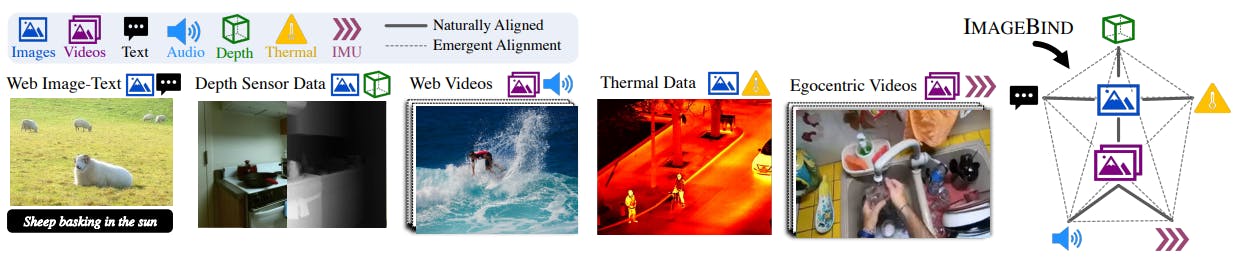
ImageBind is a multimodal model by Meta AI that can combine data from six modalities, including text, video, audio, depth, thermal, and inertial measurement unit (IMU), into a single embedding space. It can then use any modality as input to generate output in any of the mentioned modalities.
Key Features
- Output: ImageBind supports audio-to-image, image-to-audio, text-to-image and audio, audio and image-to-image, and audio to generate corresponding images.
- Image Binding: The model pairs image data with other modalities to train the network. For instance, it finds relevant textual descriptions related to specific images and pairs videos from the web with similar images.
- Optimization Loss: It uses the InfoNCE loss, where NCE stands for noise-contrastive estimation. The loss function uses contrastive approaches to align non-image modalities with specific images.
Use Cases
ImageBind’s extensive multimodal capabilities make the model applicable in multiple domains. For instance, users can generate relevant promotional videos with the desired audio by providing a straightforward textual prompt.
3. GPT-5
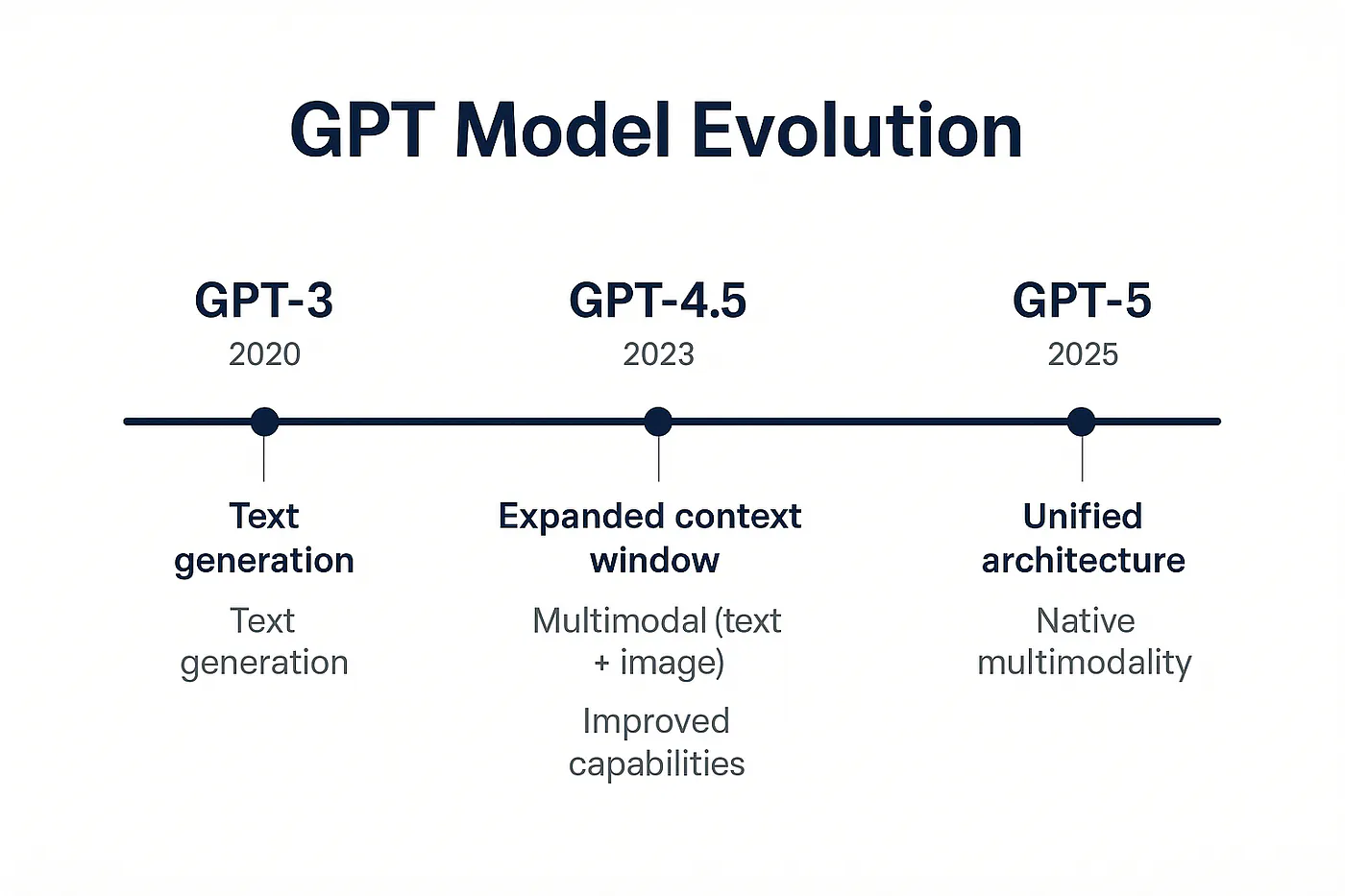
GPT-5 is OpenAI's unified multimodal system, combining a fast default model with a deeper reasoning mode behind a single real-time router. Released in 2025, it replaced the separate GPT-4o and o-series lineup with one adaptive model.
Key Features
- Unified Routing: A real-time router automatically decides which internal model to use based on conversation type, complexity, tool needs, and explicit user intent
- Multimodal Reasoning: The model excels across visual, video-based, spatial, and scientific reasoning benchmarks, allowing it to reason more accurately over charts, photos, and diagrams
- Reduced Hallucination on Ambiguous Inputs: In testing where images were removed from multimodal prompts, GPT-5 gave confident answers about non-existent images only 9% of the time, compared to 86.7% for OpenAI's earlier o3 model (Open AI, 2025)
Use Case
GPT-5 can help teams build assistants that reason over mixed inputs, screenshots, product manuals, and spoken instructions, without manually switching between specialized models for different task types.
4. Gemini 3 Pro
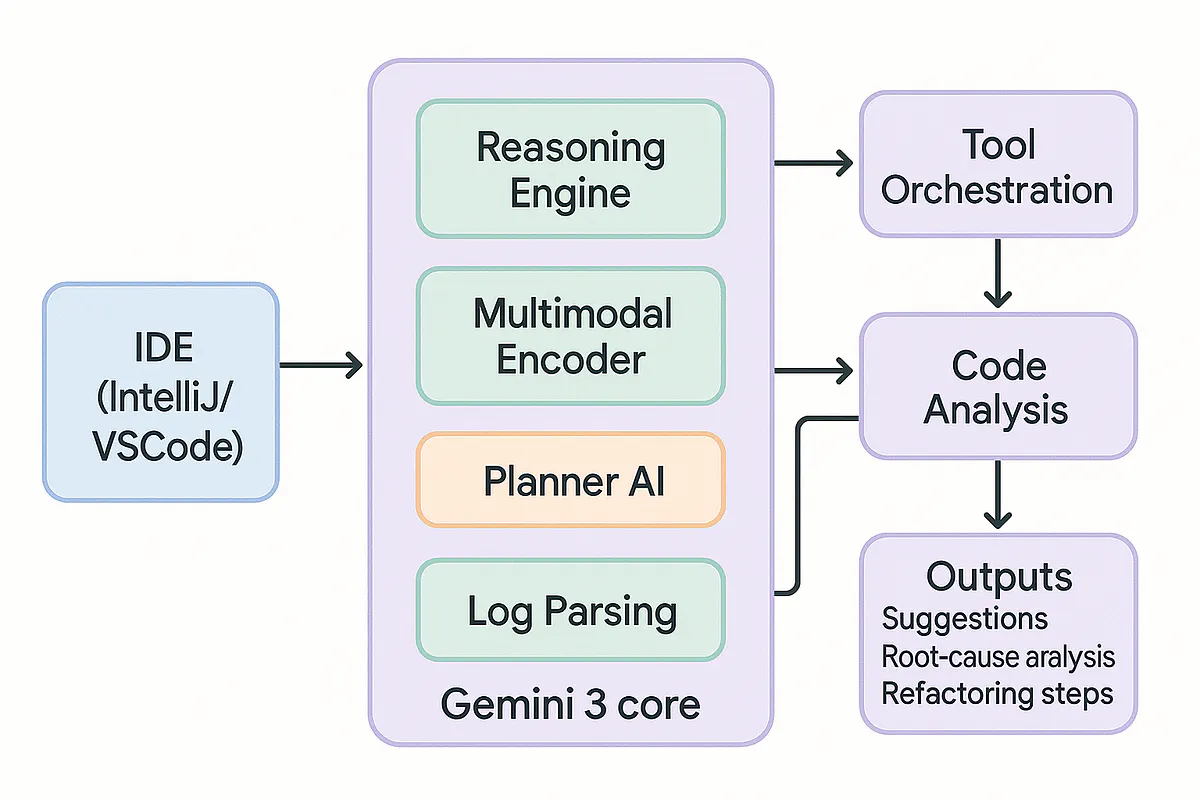
Google Gemini 3 Pro is Google's latest flagship multimodal model. It's the best model in the world for multimodal understanding, built on a foundation of state-of-the-art reasoning, and significantly outperforms Gemini 2.5 Pro on every major benchmark
Key Features
- Native Multimodal Reasoning: Redefines multimodal reasoning with strong scores on MMMU-Pro and Video-MMMU benchmarks
- Long Context: Supports very large input windows, well suited to processing long documents, codebases, and multi-hour video.
- Robotics-Relevant Vision: Achieves state-of-the-art performance on vision benchmarks including document understanding, spatial reasoning, and video analysis at 10 FPS, with pixel-precise pointing capability useful for robotics and spatial grounding tasks.
Use Case
Gemini 3 Pro fits complex, cross-modal analysis: reviewing a screenshot, a product manual, and a spoken query together to generate code, visualizations, or an action plan.
5. Claude (Sonnet 5 & Opus 4.8)
Claude is Anthropic's vision-language model family, currently led by Claude Sonnet 5 and Claude Opus 4.8, with Claude Haiku 4.5 as the faster, lower-cost tier. The lineup is built for long-document and long-context multimodal reasoning.
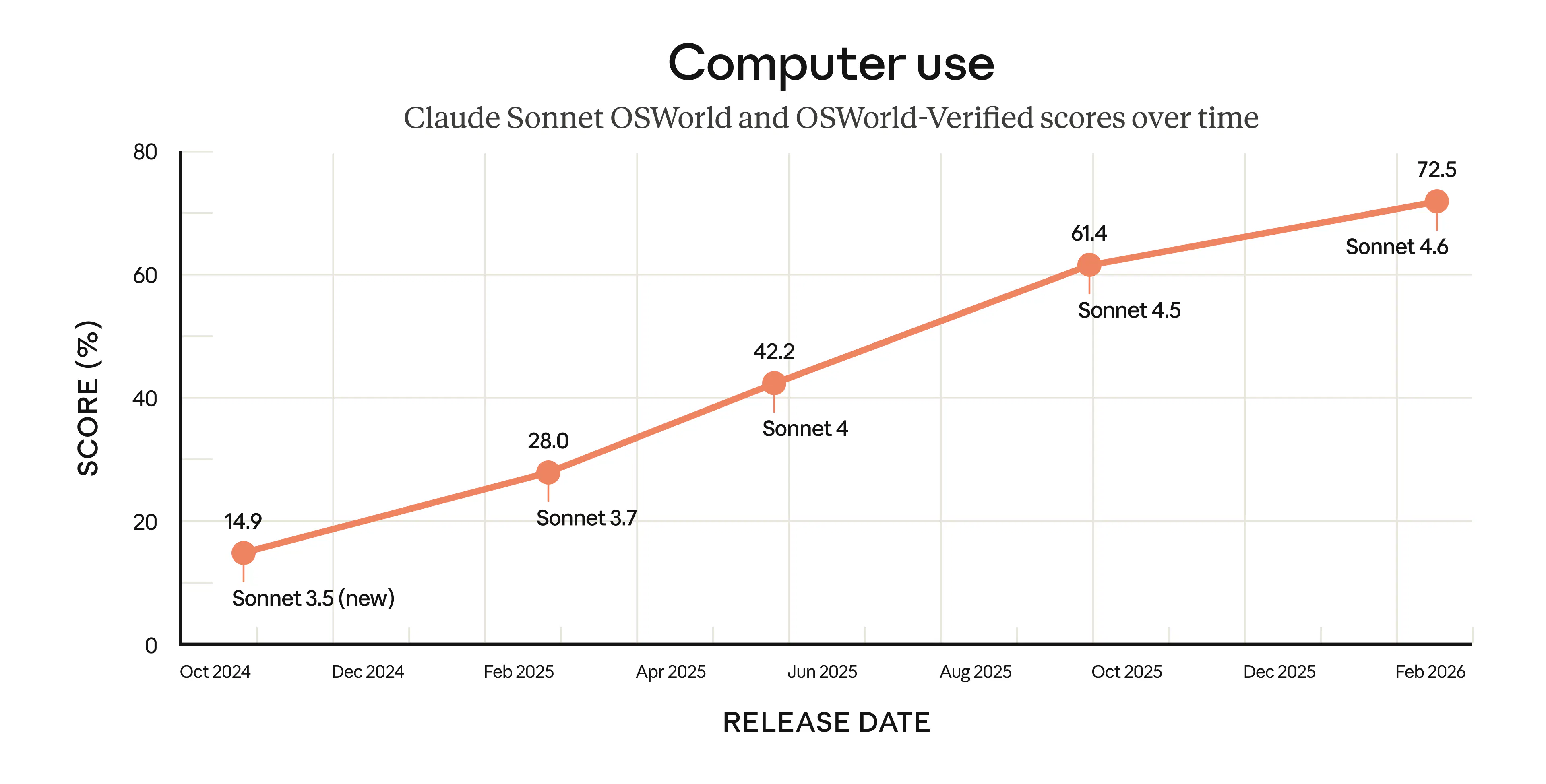
Key Features
- Long-Context Recall: Processes very long documents and multi-hour transcripts while maintaining coherence across the full context window.
- Visual Document Understanding: Strong at parsing dense research papers, technical diagrams, and charts alongside surrounding text.
- Tiered Model Family: Opus for maximum capability, Sonnet for balanced performance and cost, Haiku for latency-sensitive applications.
Use Case
Claude is well suited to research and compliance workflows: reviewing lengthy technical documents, regulatory filings, or scientific papers that combine dense text with figures and tables.
6. Llama 4 (Scout & Maverick)
Llama 4 is Meta's first natively multimodal generation of open-weight models, released in two variants: Scout and Maverick, both using a mixture-of-experts architecture. Both variants use only 17B active parameters per token despite having far larger total parameter counts.
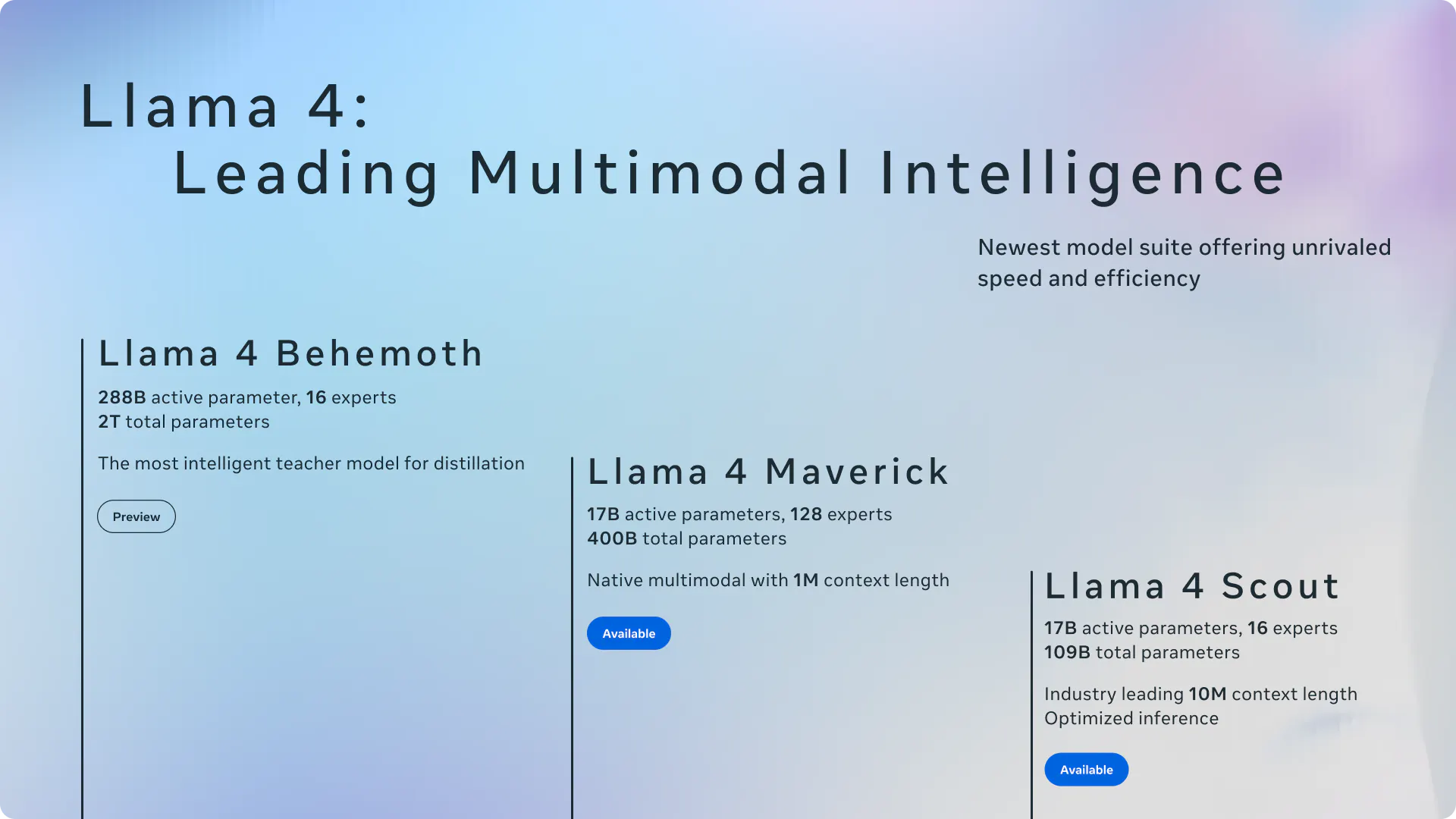
Key Features
- Open-Weight License: Available for self-hosting and fine-tuning under Meta's community license, unlike closed proprietary APIs.
- Native Multimodality: Image understanding trained in from the start rather than added on top of a text-only base model.
- Long Context: Scout in particular supports very large context windows, useful for multimodal chat over long documents or conversations.
Use case
Llama 4 suits teams that need to self-host a multimodal model for data privacy, cost control, or customization, rather than relying on a hosted API.
7. Nano Banana Pro (Gemini 3 Pro Image)
Nano Banana Pro, also known as Gemini 3 Pro Image, is Google's current top-tier image generation model, built with the same reasoning foundation as Gemini 3 Pro.
Key Features
- High-Fidelity Generation: Supports legible text rendering and complex multi-turn editing with reasoning-enhanced composition (Google AI)
- Character Consistency: Maintains consistent characters and subjects across edits using multiple reference inputs
- Tiered Alternatives: A faster, lower-cost variant (Nano Banana 2 / Gemini 3.1 Flash Image) is available for high-volume, latency-sensitive use.
Use Case
Nano Banana Pro fits teams generating and iterating on branded visual assets, marketing creative, or product mockups that need multi-turn edits while keeping subjects consistent.
8. Veo 3
Veo 3 is Google's current text-to-video and image-to-video generation model, built to produce high-quality, realistic video clips from written or visual prompts.
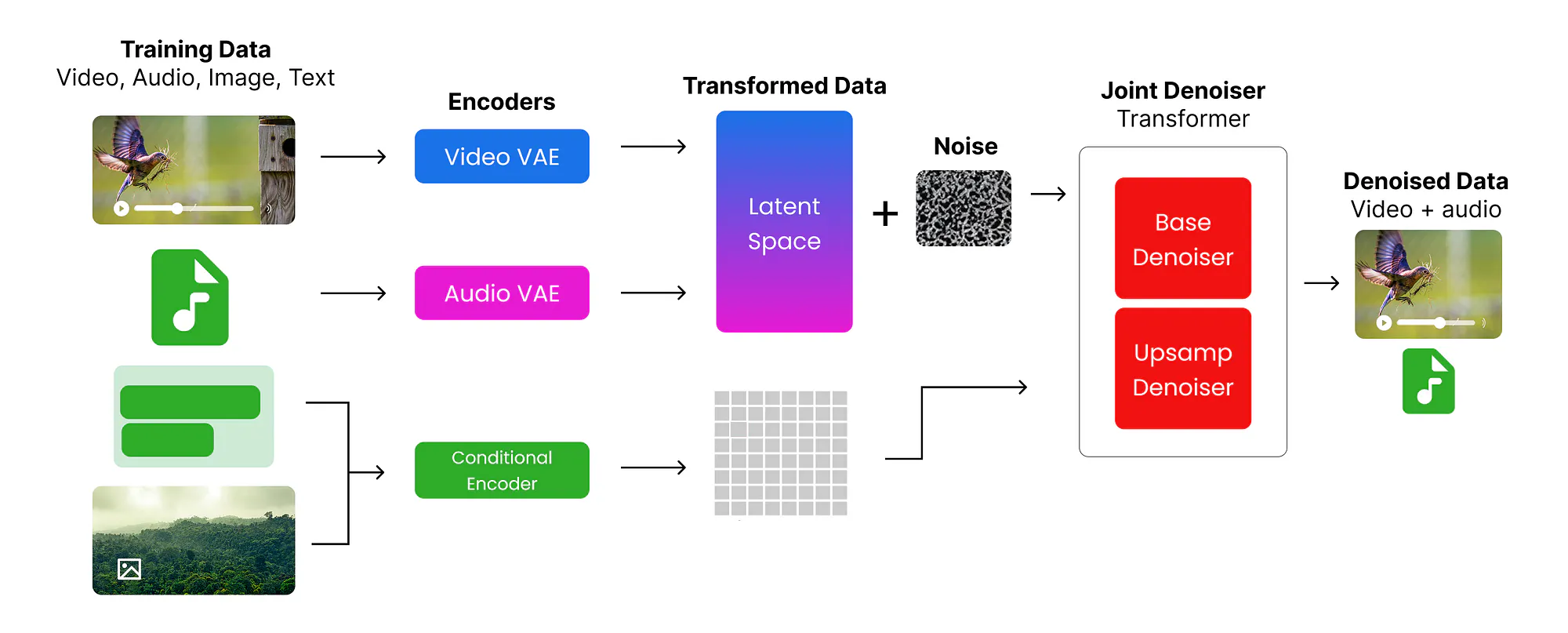
Key Features
- High-Quality Output: Generates longer, more coherent video sequences than earlier diffusion-based video models.
- Text and Image Conditioning: Accepts both a written prompt and reference images to guide style and content.
- Fast Variant Available: A lower-latency version supports quicker turnaround for iterative creative work.
Use Case
Veo 3 helps content and marketing teams generate short video clips or stylized footage from a written brief, without a full production shoot.
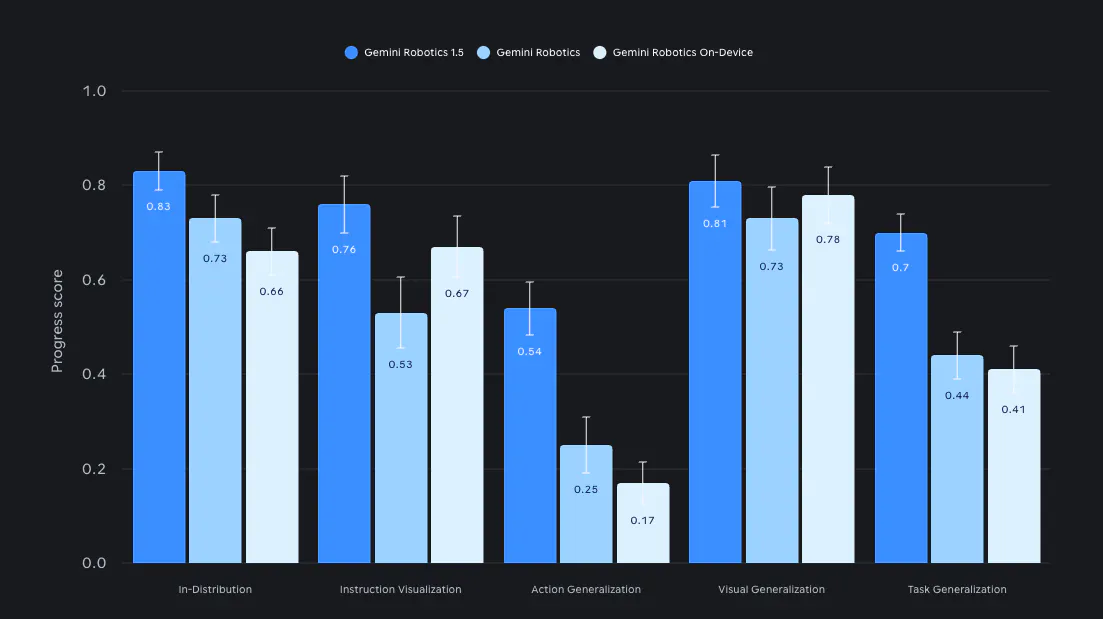
9. Gemini Robotics 1.5
Gemini Robotics 1.5 is Google DeepMind's vision-language-action (VLA) model, purpose-built to connect perception, reasoning, and physical robot control. It's a state-of-the-art instantiation of the VLA paradigm, pushing the boundaries on reasoning and generality using Google's latest foundation models
Key Features
- Embodied Reasoning: A companion "ER" (embodied reasoning) mode handles novel objects and situations a robot hasn't directly seen before.
- Real-Time Instruction Following: Supports conversational, real-time language commands during physical task execution.
- Cross-Task Generalization: Built to transfer motion and reasoning skills across different physical tasks rather than requiring separate training per task.
Use Case
Gemini Robotics 1.5 is relevant for teams building general-purpose robots that need to interpret spoken or written instructions and translate them into physical manipulation, such as warehouse picking or dexterous assembly.
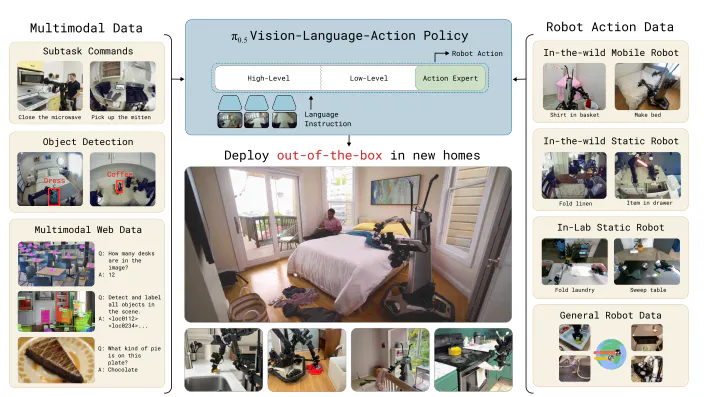
10. π0.5 / π0.6 (Physical Intelligence)
π0.5 and π0.6 are Physical Intelligence's open vision-language-action models for robot manipulation. As of 2026, they're a state-of-the-art instantiation of the VLA approach, pushing the boundaries on practical dexterity and self-improvement
Key Features
- Flow-Based Action Generation: Uses a flow-matching approach to generate continuous robot actions rather than discrete action tokens.
- Open-World Generalization: Designed to generalize to new environments and objects beyond its training demonstrations.
- Self-Improvement Loop: Later versions incorporate mechanisms to refine performance from deployment data over time.
Use Case
π0.5/π0.6 suit teams building or fine-tuning their own robot manipulation policies who want an openly documented VLA research line rather than a closed commercial API.
Challenges and Future Trends
While multimodal models offer significant benefits through superior AI capabilities, building and deploying these models is challenging. The list below mentions a few of these challenges to help developers understand possible solutions to overcome these problems.
Challenges
- Data Availability: Although data for each modality exists, aligning these datasets is complex and results in noise during multimodal learning. Helpful mitigation strategies include using pre-trained foundation models, data augmentation techniques, and few-shot learning techniques to train multimodal models.
- Data Annotation: Annotating multimodal data requires extensive expertise and resources to ensure consistent and accurate labeling across different data types. Developers can address this issue using third-party annotation tools to streamline the annotation process.
Model performance depends on consistent annotation across modalities. To best understand Data annotation, read our Ultimate guide to Data Annotation for how labeling works across image, text, and audio.
- Data Curation: These models are only as good as the data they're trained on. Our guide to data curation for multimodal datasets covers how teams keep image, text, and audio pairs aligned and high quality at scale.
- Mode Complexity: The complex architectural design makes training a multimodal model computationally expensive and prone to overfitting. Strategies such as knowledge distillation, quantization, and regularization can help mitigate these problems and boost generalization performance.
Future Trends
Despite the challenges, research in multimodal systems is ongoing, leading to productive developments concerning data collection and annotation tools, training methods, and explainable AI.
- Data Collection and Annotation Tools: Users can invest in end-to-end AI platforms that offer multiple tools to collect, curate, and annotate complex datasets. For instance, Encord is an end-to-end AI solution that offers Encord Index to collect, curate, and organize image and video datasets, and Encord Annotate to label data items using micro-models and automated labeling algorithms.
- Training Methods: Advancements in training strategies allow users to develop complex models using small data samples. For instance, few-shot, one-shot, and zero-shot learning techniques can help developers train models on small datasets while ensuring high generalization ability to unseen data.
- Explainable AI (XAI): XAI helps developers understand a model’s decision-making process in more detail. For instance, attention-based networks allow users to visualize which parts of data the model focuses on during inference. Development in XAI methods will enable experts to delve deeper into the causes of potential biases and inconsistencies in model outputs.
Multimodal Models: Key Takeaways
Multimodal models are revolutionizing human-AI interaction by allowing users and businesses to implement AI in complex environments requiring an advanced understanding of real-world data.
Below are a few critical points regarding multimodal models:
- Multimodal Model Architecture: Multimodal models include an encoder to map raw data from different modalities into feature vectors, a fusion strategy to consolidate data modalities, and a decoder to process the merged embeddings to generate relevant output.
- Fusion Mechanism: Attention-based methods, concatenation, and dot-product techniques are popular choices for fusing multimodal data.
- Multimodal Use Cases: Multimodal models help in visual question-answering (VQA), image-to-text and text-to-image search, generative AI, and image segmentation tasks.
- Top Multimodal Models: GPT-5, Claude, and Gemini 3 Pro are leading proprietary multimodal models, while Llama 4 and Qwen3-VL lead the open-weight landscape — together spanning text, image, video, and audio understanding.
- Multimodal Challenges: Building multimodal models involves challenges such as data availability, annotation, and model complexity. However, experts can overcome these problems through modern learning techniques, automated labeling tools, and regularization methods.xperts can overcome these problems through modern learning techniques, automated labeling tools, and regularization methods.
Ready to put multimodal data to work?
Whichever model you choose, your results are only as good as the data behind them.
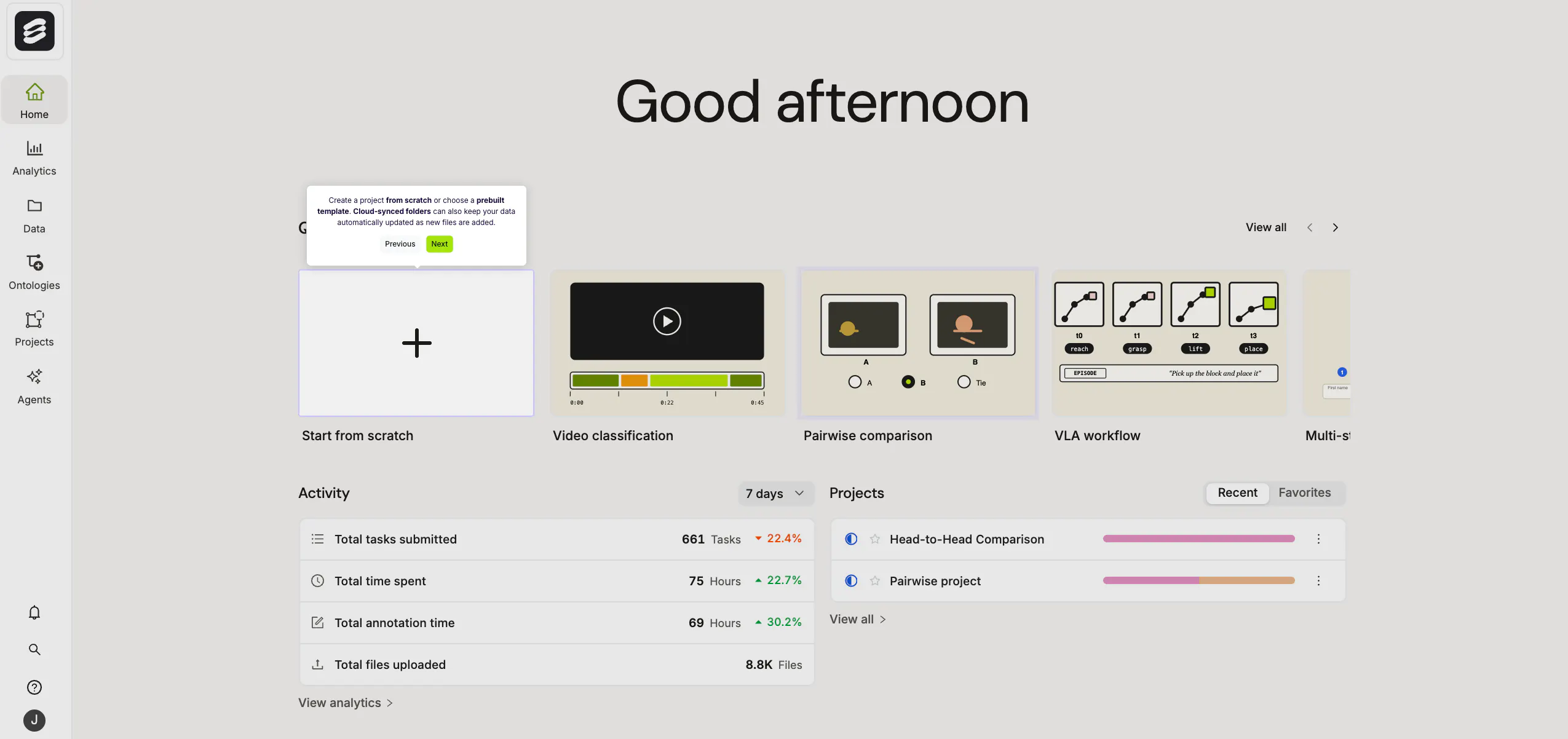
Encord helps teams curate, annotate, and manage multimodal datasets, spanning image, video, audio, and text, so your models get high-quality training data from day one.
Not sure where to start?
Talk to our AI agent to see how Encord fits your multimodal data pipeline, or book time with our team for a deeper walkthrough.
Frequently asked questions
Multimodal models are AI algorithms that simultaneously process multiple data modalities such as text, image, video, and audio to generate more context-aware output.
Large Multimodal Models (LMMs) process data from multiple data modalities, while Large Language Models (LLMs) only work with textual data.
Multimodal models have applications in healthcare for medical image analysis, in retail for visual search, and in education to teach students concepts through images, audio, text, and videos.
GPT-4o, Gemini, and ImageBind are a few popular multimodal models released in 2024.
Data availability, annotation, and model complexity are a few issues that developers face when building multimodal models.